
Planning is an important part of dental implant treatment. At Excellence in Dentistry, our dentists use 3D computer-guided implant placement in Idaho Falls, Idaho, to evaluate the treatment area, plan the intended implant position and coordinate surgery with the final restoration.
Dr. Curtis Godfrey performs much of his own oral surgery, including dental implant placement, tooth removal and socket grafting. He uses CBCT imaging, digital design and guided surgical techniques to plan implant treatment around the available bone, surrounding anatomy and restorative goals.
What Is 3D Computer-Guided Implant Placement?
3D computer-guided implant placement combines detailed imaging with digital treatment planning. CBCT imaging allows our dentists to view the teeth, jaws, bone and surrounding structures in three dimensions before implant surgery.
The scan can then be incorporated into planning software so Dr. Godfrey can evaluate the intended position, angle and depth of the implant. When appropriate, the plan may also be used to create a surgical guide that helps transfer the planned position to the mouth during treatment.
This dental technology supports Dr. Godfrey’s clinical judgment rather than replacing it. The digital information is considered alongside your examination, oral health, anatomy and the type of restoration the implant will eventually support.
How 3D Implant Planning Works
The guided implant process brings surgical and restorative planning together before treatment begins. Depending on the case, planning may include:
- Capturing three-dimensional CBCT images of the treatment area
- Evaluating available bone and nearby anatomical structures
- Planning the intended implant position, angle and depth
- Considering the location of the future crown or restoration
- Using digital design to coordinate surgical and restorative goals
- Creating a surgical guide when guided placement is appropriate
Not every implant case requires the same workflow. Our dentists can explain which imaging and planning tools are appropriate based on your individual treatment needs.
Why Implant Position Matters
A dental implant needs to support a future restoration, so placement involves more than simply identifying an area of bone. Dr. Godfrey considers the surrounding anatomy, available bone, bite and intended location of the final tooth when planning treatment.
Three-dimensional planning allows these factors to be reviewed before surgery. This can be particularly useful when space is limited, anatomy needs to be evaluated carefully or the implant position must be coordinated closely with the planned restoration.
CBCT Imaging and Guided Implant Surgery
CBCT imaging provides detailed three-dimensional views that can help Dr. Godfrey evaluate the treatment site before implant placement. The scan can show the relationship between available bone and nearby structures and can be incorporated into the digital implant plan.
When a surgical guide is appropriate, the guide is created from that plan and used during treatment to help reproduce the intended implant position. Whether guided surgery is recommended depends on the individual case.
Experience With Implant Placement and Digital Planning
Dr. Curtis Godfrey has more than 20 years of clinical experience and provides dental implant surgery as part of his comprehensive approach to care. His experience includes implant placement, socket grafting, CBCT imaging, digital design and guided surgical techniques.
He also completes more than 100 hours of continuing education annually with Spear Education, with advanced study in comprehensive treatment planning, restorative dentistry, aesthetics, occlusion and complex dental cases. This combination of surgical experience and restorative planning helps him consider the implant and the final restoration together.
When May Computer-Guided Implant Placement Be Used?
Our dentists may consider 3D guided implant planning when detailed imaging can help evaluate bone, surrounding structures or the relationship between the implant and the planned restoration. It may also be useful when careful control of implant position is particularly important.
Some patients may need additional treatment, such as grafting, before or during implant placement. Dr. Godfrey can evaluate the treatment site and explain how any additional procedures fit into the overall plan.
See the Technology Used for Guided Implant Planning
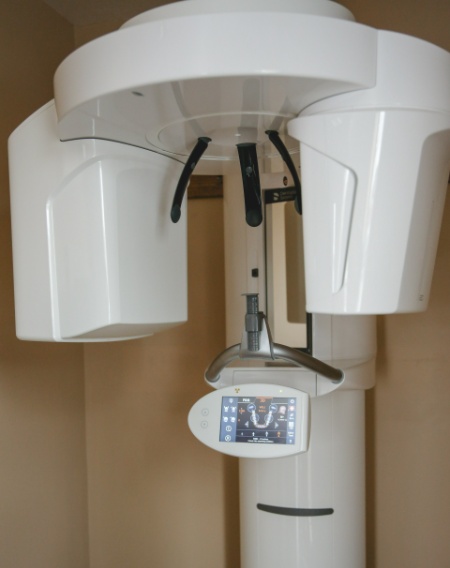
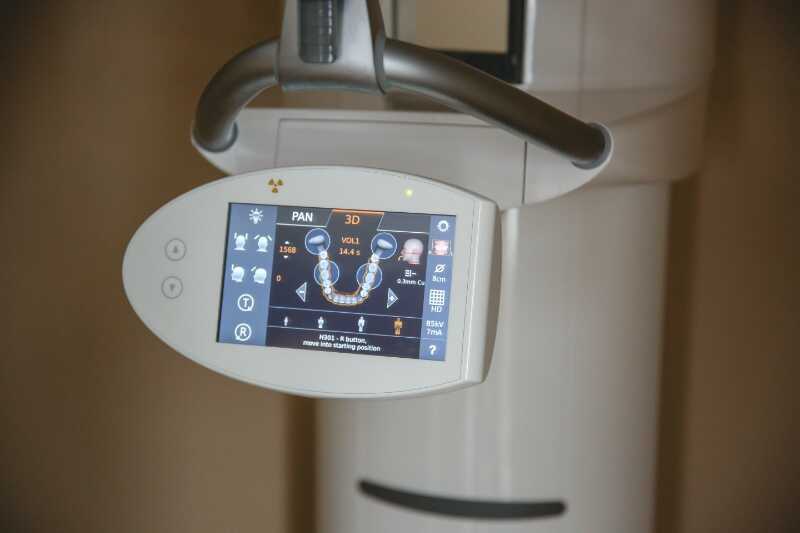
The images and video below show some of the scanning and digital technology used to gather information for treatment planning. These tools help our dentists evaluate the implant site and develop a more detailed surgical plan.
3D Computer-Guided Implant Placement FAQs
What does computer-guided implant placement mean?
Computer-guided implant placement uses three-dimensional imaging and digital planning to help our dentists plan the intended position of a dental implant before surgery. A surgical guide may also be used when appropriate.
Why is CBCT imaging used for dental implants?
CBCT imaging provides three-dimensional information about the treatment area, including available bone and surrounding anatomy. Dr. Godfrey can use this information when planning implant placement.
Does every dental implant require guided placement?
No. Guided placement is not necessary for every implant case. Dr. Godfrey will evaluate your anatomy, restorative needs and treatment goals to determine which approach is appropriate.
What is a dental implant surgical guide?
A surgical guide is created from the digital implant plan and may be used during treatment to help reproduce the planned implant position, angle and depth.
Can 3D planning help if bone grafting is needed?
Three-dimensional imaging can help Dr. Godfrey evaluate the amount and location of available bone. If grafting is needed, he can explain how it fits into the overall implant treatment plan.
Where can I learn more about 3D computer-guided implant placement in Idaho Falls, Idaho?
Call 208-529-4321 to schedule a consultation at Excellence in Dentistry. Our dentists can evaluate your needs and explain whether guided implant planning may be appropriate for your treatment.
Plan Your Dental Implant Treatment
If you are considering 3D computer-guided implant placement in Idaho Falls, ID, call 208-529-4321 to schedule a consultation with Dr. Curtis Godfrey. Our dentists can explain how digital imaging and guided planning may be incorporated into your dental implant treatment.